CHANEL IS MODERN LUXURY STATUS SYMBOL – AND HERE IS WHY
Posted on by Cameron Tewson
From its influential fashion shows to its iconic handbags, Chanel continues to shape the luxury industry. As a new generation embraces the French fashion house, its cultural influence and cult appeal have never been more fascinating.
Few fashion houses command the same attention as Chanel. More than a century after Gabrielle ‘Coco’ Chanel founded the brand, it remains one of the most powerful names in luxury fashion. Its signature tweed jackets, quilted handbags and double-C logo have become universal symbols of wealth, style and aspiration. Yet Chanel’s influence extends far beyond the clothes themselves. It has created a cultural identity that continues to attract new generations of consumers.
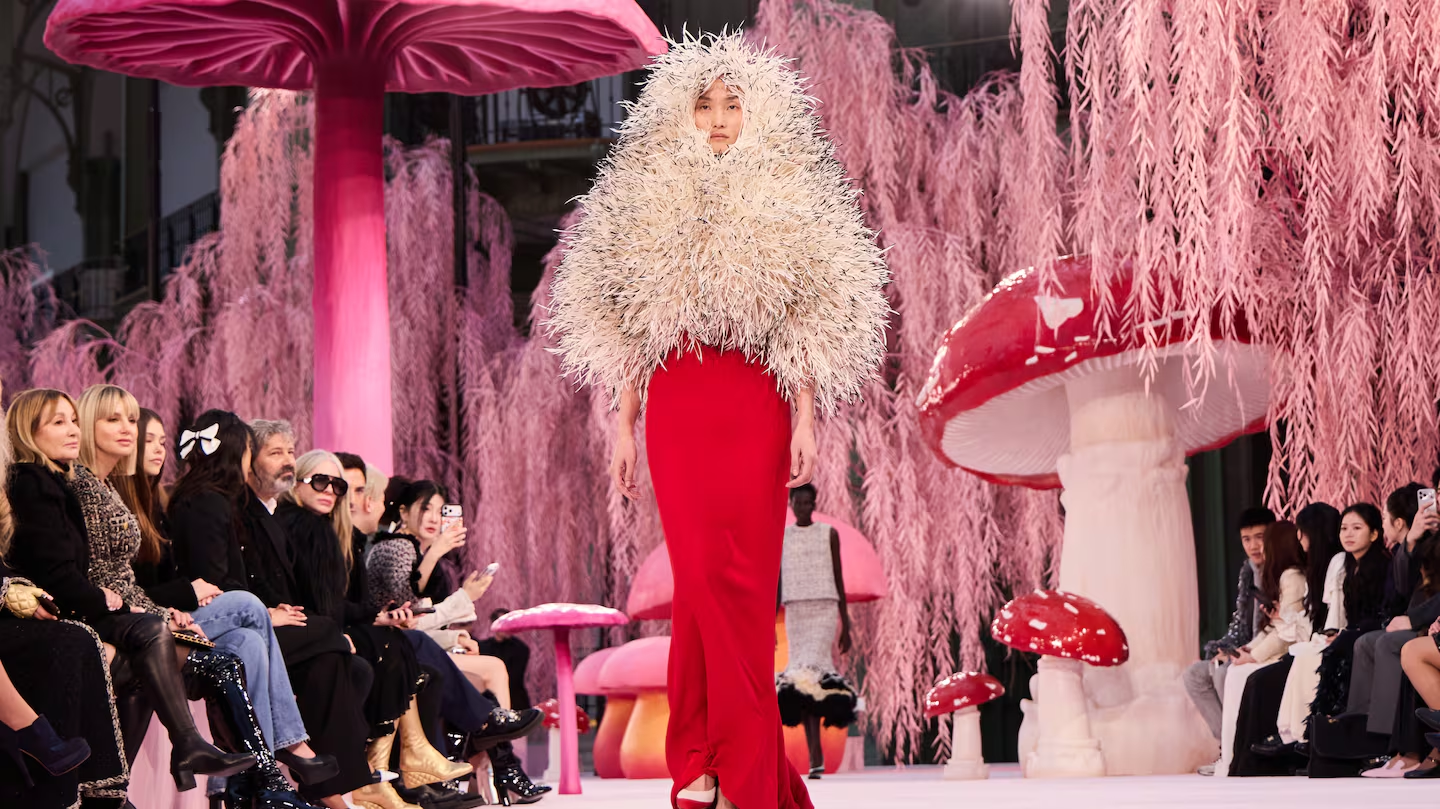
The latest Chanel fashion show offers another reminder of the house’s remarkable position within the industry. While fashion trends change rapidly, Chanel continues to balance its heritage with a modern approach to design. Each collection introduces new interpretations of familiar signatures, reinforcing the brand’s identity while creating fresh reasons for consumers to engage.
What makes Chanel particularly interesting is its ability to turn fashion into something far more valuable than a seasonal purchase. A Chanel handbag is rarely viewed as simply an accessory. For many, it represents achievement, personal style and entry into an exclusive world. The same can be said of its classic tweed jackets, ballet flats and costume jewellery, which have become instantly recognisable pieces of fashion history.
This level of desirability is increasingly difficult to achieve. The global luxury market has faced changing consumer expectations, with shoppers becoming more selective about where they spend their money. Rising prices have also placed greater attention on craftsmanship, quality and long-term value. Against this backdrop, Chanel’s established identity offers something that newer luxury brands often struggle to replicate: recognition built over generations.
However, the Chanel effect is not driven by heritage alone. The French fashion house has developed a remarkable cult following among younger consumers, particularly those drawn to vintage fashion and archival designs. Vintage Chanel handbags, statement jewellery and runway pieces have become highly sought-after, reflecting a growing appetite for luxury products with character and history.
Social media has accelerated this cultural shift. Platforms such as Instagram, TikTok and Pinterest have introduced Chanel to audiences beyond its traditional customer base. From celebrity street style to vintage fashion collections, the brand has become a constant presence in digital culture. Interestingly, this widespread visibility has only strengthened its position as a symbol of luxury and aspiration.
There is a fascinating contradiction at the heart of Chanel’s success. While the brand is recognised almost everywhere, ownership still carries a sense of exclusivity. Its distinctive design language, premium pricing and carefully managed distribution help preserve that perception. As a result, Chanel remains both widely admired and highly aspirational.
The Chanel runway plays a central role in maintaining this influence. Each fashion show attracts international editors, celebrities, buyers and fashion enthusiasts, generating conversations that extend well beyond Paris Fashion Week. A new handbag silhouette, an updated tweed jacket or a distinctive accessory can quickly become one of the season’s most discussed pieces.
More importantly, these runway moments reinforce the desirability of Chanel’s wider collections. The fashion show creates the cultural conversation, while its established products provide continuity. This relationship between creativity, visibility and commercial appeal is one of the reasons Chanel continues to hold such a powerful position within the luxury industry.
Celebrity influence also remains significant. Chanel’s presence on red carpets, at major cultural events and in the wardrobes of influential figures helps connect the house with contemporary fashion. Yet unlike brands that rely on a single viral moment, Chanel benefits from decades of recognition. Its identity is strong enough to evolve alongside changing trends without losing its original appeal.
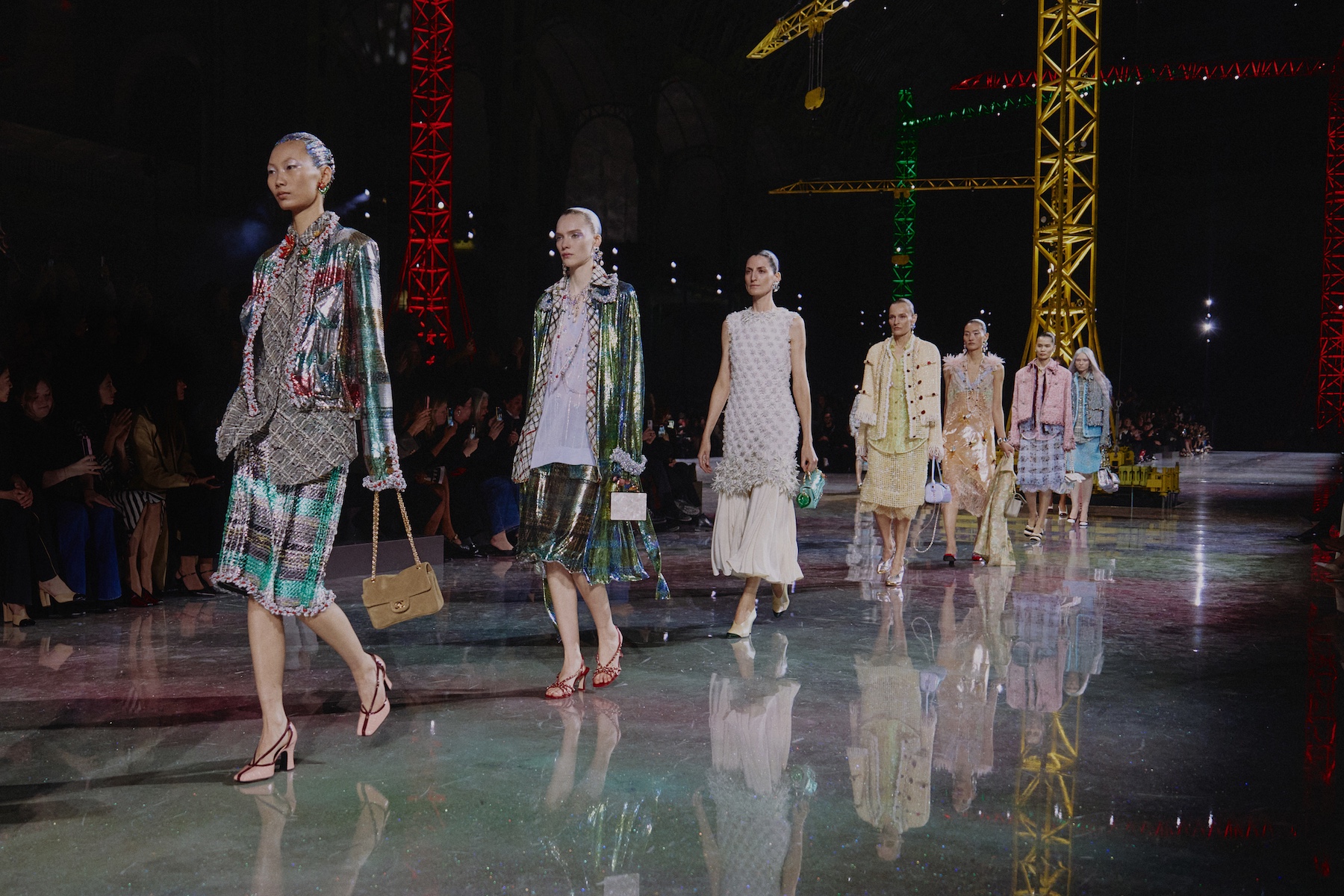
The meaning of a luxury status symbol is also changing. Today’s consumers increasingly value individuality, craftsmanship and pieces that feel personal. Chanel has managed to respond to this shift while retaining its unmistakable aesthetic. A vintage Chanel jacket can suggest understated sophistication, while a statement handbag or bold piece of jewellery offers a more recognisable expression of luxury.
For younger shoppers, the attraction is not always about displaying wealth. It can also reflect an appreciation of fashion history, design and cultural relevance. Meanwhile, established customers continue to value the house’s craftsmanship and familiar signatures. This ability to appeal to different generations has become one of Chanel’s greatest strengths.
Perhaps the most important element of Chanel’s success is its understanding of desire. Luxury is not simply about price or exclusivity. It is also about the emotional connection consumers develop with a brand. Whether purchasing a first Chanel accessory or collecting rare archival pieces, customers are buying into a story that extends beyond the product itself.
As the luxury fashion industry continues to evolve, Chanel demonstrates the value of maintaining a clear and recognisable identity. Its collections may change, but the codes that define the house remain consistent. That balance between tradition and reinvention allows Chanel to remain relevant in an increasingly competitive market.
Ultimately, the Chanel fashion show is only one part of a much larger story. The house has achieved something that few luxury brands can sustain: the ability to remain culturally influential, commercially desirable and instantly recognisable across generations.
In an industry constantly searching for the next big trend, Chanel has made longevity its greatest luxury. Its real power lies not simply in what it creates, but in what owning Chanel continues to represent.


